GITHUNGURI MP WANTS CHILDBIRTH LEGISLATED
Githunguri MP Gathoni Wamuchomba’s motion is premised on the reality that Kenya does not have a national policy or framework to address and prevent obstetric violence (OBV), leading women to suffer in the hands of their caregivers.

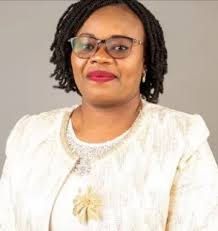
An MP wants the government to establish a national policy to combat disrespectful childbirth practices in the country in a motion tabled before the National Assembly.
Githunguri MP Gathoni Wamuchomba’s motion is premised on the reality that Kenya does not have a national policy or framework to address and prevent obstetric violence (OBV), leading women to suffer in the hands of their caregivers.
To address this, the second term MP wants the House to resolve that the national government, through the Ministry of Health, develops a policy on prevention of obstetric violence in healthcare facilities in the country.
“This will provide a framework for regular monitoring and reporting of cases to curb incidences of pre and post-partum mistreatment of women seeking health services,” Ms Gathoni’s motion reads.
Article 43 (1) (a) of the constitution provides for the right of every person to access the highest attainable standard of health.
Despite this provision, poor quality of health services especially maternal care has been a recurring concern among women in the country.
“There is increased pre- and postpartum mistreatment and dehumanized care of women by healthcare providers, also known as obstetric violence,” she says.
Obstetric violence includes, “but is not limited to”, disrespectful and abusive behaviour, physical and verbal abuse, neglect, forced medical procedures, humiliation and assault in healthcare settings.
Sustained class-based disparities shape different maternal and infant health outcomes with women of low socio-economic status experiencing greater levels of obstetric violence.
This not only affects women’s physical and mental health, but also impacts on the overall health outcomes of mothers and their newborns, significantly contributing to high maternal mortality rates.
Already women have been urged to report OBV experienced in health institutions to help the government deal with the issue even as details showed compelling evidence Kenyan mothers are being subjected to gross human rights violations while seeking maternal care in health institutions.
A recent survey by Nguvu Collective shows that of the 189 women interviewed from 27 counties, 83 percent had encountered at least one form of OBV with 68 percent of the OBV incidents experienced by the respondents being gross human rights violations.
The violations include physical and verbal abuse, forced procedures, withholding information, ignoring or dismissing concerns, denial of care, lack of privacy and dignity, discrimination and failure to follow protocols or guidelines.
Out of the women who participated in the survey, 11 percent were those with disabilities, while 51 percent came from low-income and below-the poverty-line households.
The 46 percent of the women who had experienced OBV were between 25 and 34 years.
The survey was a dedicated effort to document stories of Kenyan women who experienced OBV over two months from February 2024.
The various forms of OBV the survey established include psychological and emotional abuse at 62 percent and included disregard of needs and pain, verbal abuse and humiliation, dehumanizing and rude treatment and discrimination.
Physical violence and coercion recorded 10 percent and included pressuring or manipulating women into accepting medical interventions or procedures they do not want or need, hitting, slapping, kicking, and restraining a woman during pregnancy, childbirth or during the postpartum period.
Medical neglect, malpractice and unnecessary interventions recorded 28 percent.
This included denial of care, unsanitary maternity settings, non-consensual pelvic exams, forced sterilizations, unnecessary caesarean sections performed without medical justification and unnecessary or wrong medical prescription and recommended usage.